
Fear is a basic human emotion that starts early in life. It helps us stay safe but can also cause problems if not managed well. This piece looks at what fear really is, how it impacts our daily routines, and ways to take charge of it through education and deliberate practice. By learning about fear and training ourselves to handle it, we can live better without letting it rule us.
For me, it started as an infant. When fear is recognized, it’s rewarded with sympathy or empathy and sometimes anger or confusion. We first experience fear as babies, crying out when we are not getting what we need, and out of fear we cry louder, in tones only a parent can really read. It’s an instinct, a reward, and a warning. I grew up in a coal mining town on the east coast. It taught me to look first, listen, and pay attention to the intent behind a statement, not just the emotion. Emotion gets us in trouble and elevates fear if it’s not controlled. As a business owner, builder and then senior analyst, those early lessons helped me see through the fog that blinds others. When fear is controlled, it leads to better decisions and, in my experience, the ability to read a person at face value even when they’re lying through their teeth.
Scientists see fear as a natural response built into our brains. The amygdala, a small part of the brain, spots danger and sends signals to act fast. Today, fear still triggers hormones like cortisol, which prepare the body to fight or run. But in modern times, it often reacts to things that are not real dangers, like worries about money or health. Medical studies show that too much fear over time can lead to stress and poor choices because it blocks clear thinking. The good news is that our brains are able to adapt. With neuroplasticity, repeated practice can reshape these pathways so panic becomes a calmer, more controlled response.
In everyday life, fear shows up in small and big ways. As babies, we cry out of fear when hungry or alone, learning to get help. Parents teach kids to handle it by showing calm responses to surprises, like loud noises; simple games like peek-a-boo build tolerance step by step. For adults, fear affects decisions at work or home, such as avoiding new opportunities because of what might go wrong. Constant fear from news or social media can make people feel isolated and doubtful of others. Yet education on how media algorithms work helps people filter hype and seek balanced sources.
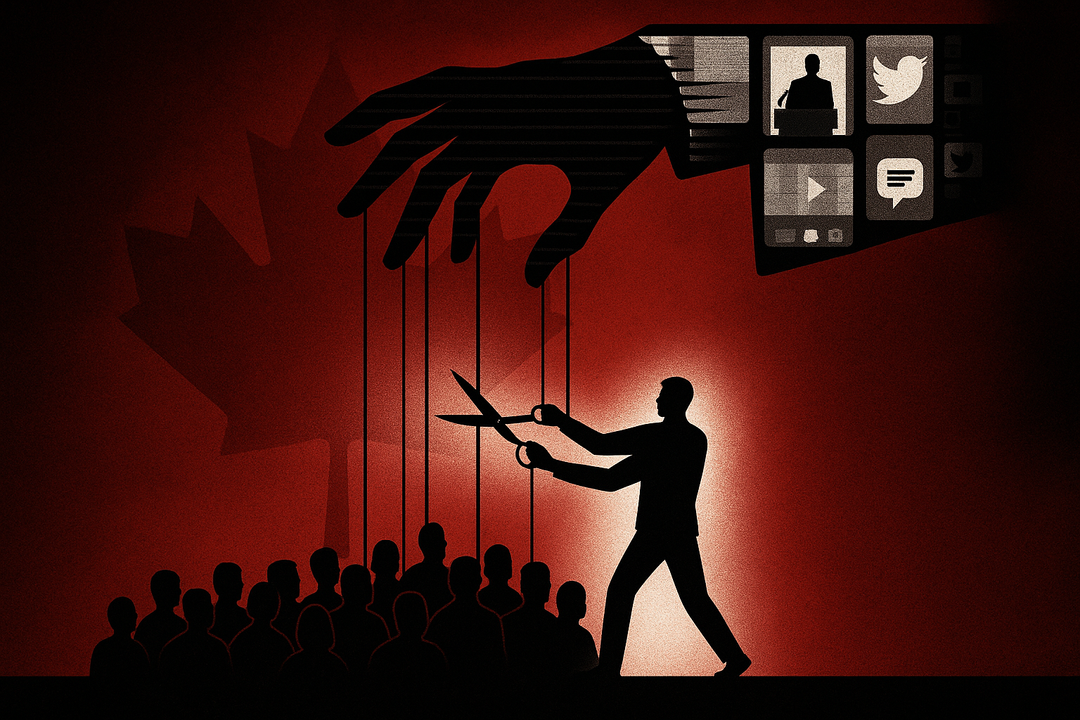
The Canadian government has often turned to fear to guide public actions, especially during tough times. In 2020, as COVID-19 spread, leaders like Prime Minister Justin Trudeau and provincial premiers used strong warnings to get people to follow rules. Ontario Premier Doug Ford set strict lockdowns, and media reports noted how this built up public worry, leading to divisions like anger at out-of-town visitors. Quebec’s curfews under Premier François Legault added to the tension, making anxiety a key part of policy.
Media plays a big role in spreading this fear, often by focusing on scary headlines to match government messages. During the pandemic, outlets highlighted threats, which made risks seem bigger than they were and eroded trust in balanced reporting. Social platforms boosted official content, creating groups where only one side was heard. In elections, like in 2019 and 2021, Liberal campaigns painted Conservative leaders as dangers to health care and rights, using ads to stir voter fears. Learning media literacy—through school programs or basic online lessons—teaches people to spot loaded language and practice fact-checks, building confidence in independent thinking.
More recently, in 2023 and 2024, immigration talks saw both sides use fear. Trudeau first called Conservative concerns irresponsible, but as numbers rose and strained services, media pointed to government flip-flops. The 2022 Freedom Convoy protests led to the Emergencies Act, with reports of rising threats against politicians. These examples reveal a pattern where fear is a tool to influence opinions and behaviours, often at the cost of unity. Education on historical precedents, like past policy shifts, combined with simple debates in community groups, helps people rehearse calm counterarguments.
To control fear, start with self-awareness and build from there through education and practice. Journaling helps track what sets it off: write down the trigger and your first reactions, then review patterns to spot exaggerations. Cognitive behavioural methods involve facing fears slowly in safe ways and working up from mild to harder situations. This kind of exposure rewires the amygdala over time, reducing its overreactions. Mindfulness exercises and simple 4-7-8 breathing (inhale 4 seconds, hold 7, exhale 8) help calm the body’s stress system; regular short practice can lower stress levels.
By facing fear with knowledge gained from reliable sources and with consistent practice in real scenarios, Canadians can push back against its misuse in politics and media. This leads to stronger choices, resilient communities, and a society based on facts, not alarm.