Editors NoteNFNM is not here to reprint the brochure. ALTO is being sold as “nation building,” with promises of a three-hour Toronto–Montreal trip and a fully electric 1,000 km high-speed corridor. The public-facing pitch sounds clean. The structure underneath it does not.
This is a preliminary Investigation on the structure of the politics surrounding this deal. there is plenty of accurate repeated information in regards to the brochure points.
This project is already in motion. Ottawa committed billions to the co-development phase, picked a private consortium to co-design and build it, and launched public consultations that run from mid-January to late March 2026. Those are real decisions with real momentum. This is the moment to talk about the parts that can trap the country into a decades-long obligation with limited democratic control.
Canada’s major infrastructure language is changing. The traditional model was: Government builds infrastructure with public money. Private operators run it through contracted agreements. Public interest is preserved through public ownership and democratic oversight.
The new model is: Private consortium co-designs and co-finances major infrastructure. Government provides partial funding and guarantees repayment. Private interests operate the infrastructure in perpetuity. Public interest is preserved through regulatory agreements and market discipline.
ALTO follows the new model. That is important because the new model has structural implications. First, once private financing is in the game, the project becomes much harder to stop. Second, once a private operator is running the asset in perpetuity, the public interest depends on regulatory frameworks that are often weak. Third, the private operator gets to make decisions about what is profitable, and that decision-making happens in rooms without public input.
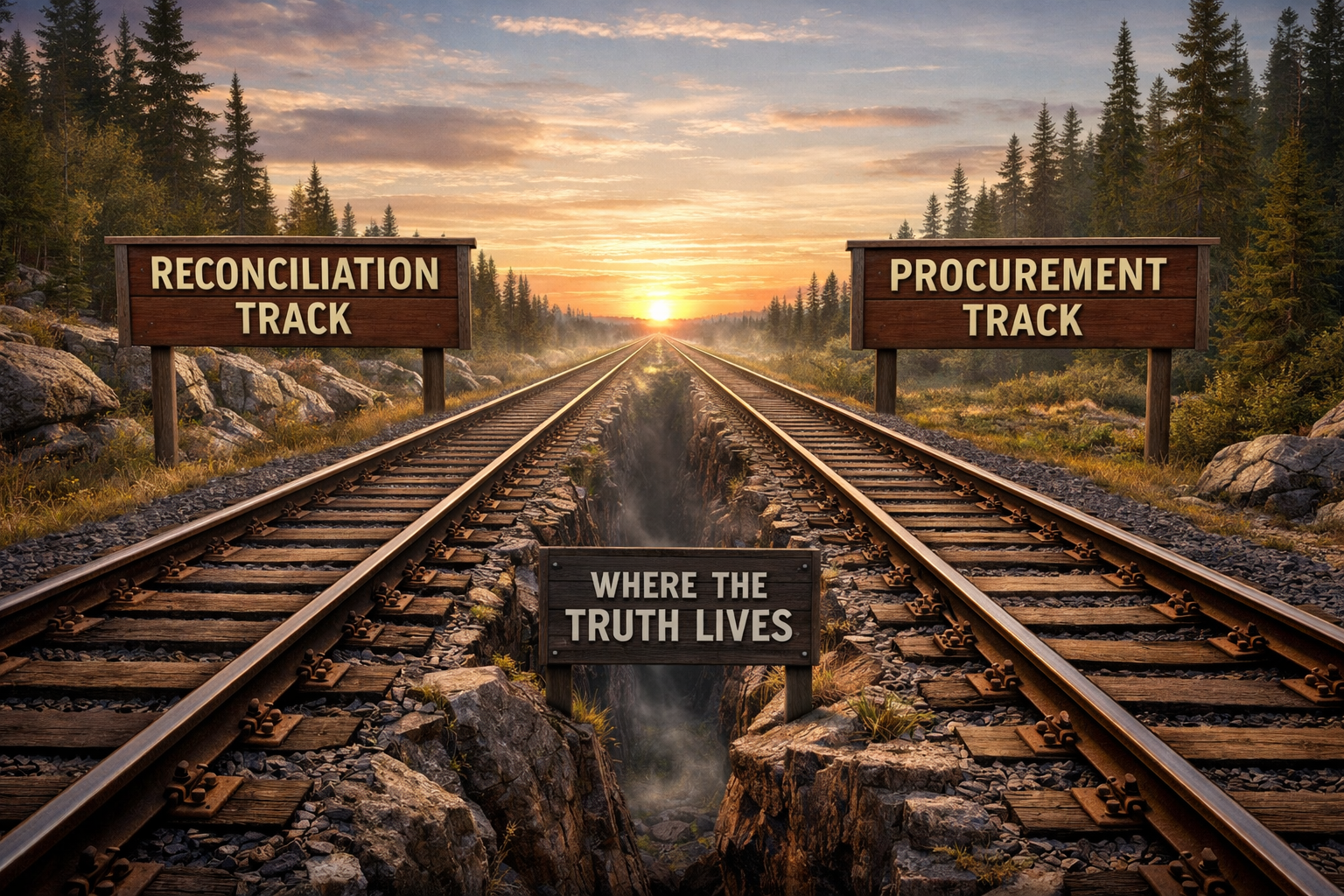
The Public TrackThe public track is the consultation process. It runs January through March 2026. It involves holding sessions in affected communities, sharing the corridor options, gathering community feedback, and using that feedback to refine the corridor design. The public track sounds inclusive. For the most part, it is. People get to say what they think. Consultants note what they hear. The information goes back to the project team.
The outcome is that some concerns get incorporated into the design. Some do not. The decision about which concerns matter depends on the technical team’s assessment of whether addressing them changes the fundamental viability of the project.
The decision about fundamental viability rests with the private consortium. They own the project. They get to decide what the boundaries are.
The Informal TrackThe informal track is where the real decisions happen. It is where municipalities, provinces, Indigenous leaders, and the federal government are in real conversation with the consortium about what is possible, what is acceptable, what is negotiable, and what is not.
The public track feeds information into the informal track, but the informal track is not constrained by what the public says. The informal track is about what is operationally feasible, financially viable, and politically acceptable to the decision-makers who hold real power.
The difference is important. In the public track, you are talking to consultants. In the informal track, you are talking to people who can actually change the decision.
For rural communities like North Frontenac and South Frontenac, the question is simple: Are they in the informal track conversation, or are they just participating in the public track?
If they are only in the public track, they are providing input that may or may not influence the design. They are visible and they can claim they were consulted.
If they are in the informal track conversation, they are participating in the real decision-making process. The decision-makers know their concerns. The decision-makers are trying to find a version of the project that works for the affected communities. The communities have actual leverage.
Right now, South Frontenac is having informal track conversation. North Frontenac is not. That difference will determine what the project looks like when it lands in these communities.
The Reconciliation TrackThe reconciliation track is the quietest one, and it is the most important one for the long-term relationship between Canada and Indigenous nations. ALTO’s corridor will run through Algonquin territory. The federal government has committed to meaningful consultation with Indigenous communities. What that means in practice is still being worked out.
The federal commitment to reconciliation is not compatible with a private consortium making unilateral decisions about Indigenous territory. That tension is unresolved. How that tension gets resolved will determine whether the corridor gets built, and whether it has legitimacy in the territories it crosses.
If the consortium tries to move forward without real reconciliation with affected Indigenous nations, the project gets held up in courts, regulatory reviews, and political gridlock. That is why the reconciliation track is the real leverage point. Communities that are aligned with Indigenous leadership on the terms of engagement have real power.
For North Frontenac, that piece of the conversation is not visible yet. It should be.
The Bottom LineALTO is coming. The federal government has decided that this project is a national priority. The consortium has been picked. The design phase is underway. Public consultations are running.
The question for each affected community is: Who makes the decisions about what this project looks like, and who gets consulted after the decision is made?
That distinction is the difference between being a stakeholder and being a bystander. It is also the difference between having leverage and having none. Right now, North Frontenac is positioned as a bystander. That was a choice. It can be changed. But the window for changing it is getting smaller.