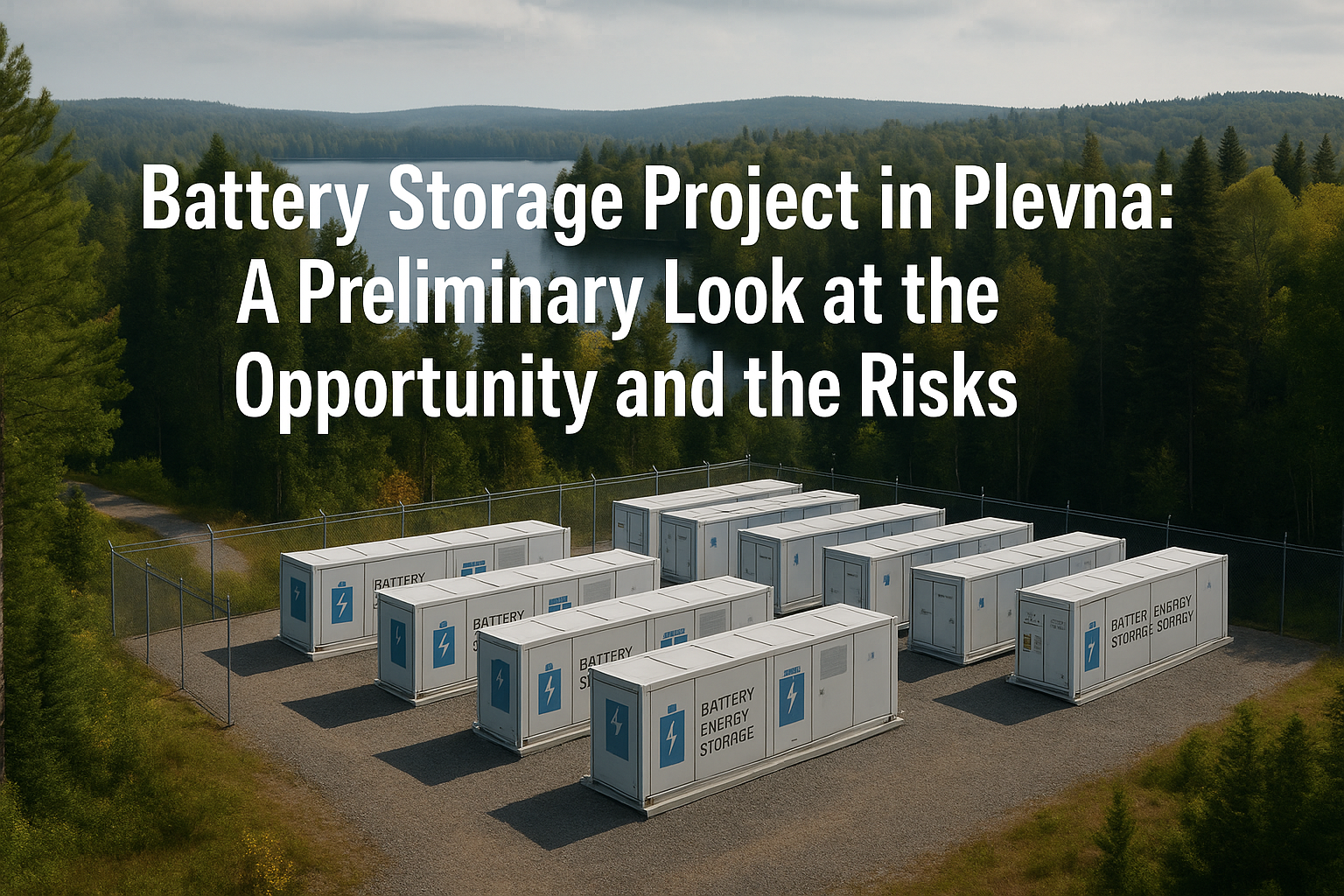
A proposal to install a large-scale Battery Energy Storage System (BESS) in Plevna has sparked both interest and concern among local residents. The facility, planned by Alectra Energy Solutions, would use lithium-ion batteries to store electricity and release it during high-demand times. While the company claims the system will support Ontario’s power grid and reduce reliance on fossil fuels, many in the community are questioning the safety, environmental impact, and fairness of the deal being offered.
What Is Being Proposed?
Alectra is proposing to build a BESS facility on township-owned land in Plevna. The system would charge when electricity is cheap—typically overnight or during periods of low demand—and discharge power during peak hours to help balance the grid. The province is promoting battery storage as a cleaner way to stabilize electricity supply without building more gas plants.
How Does the Deal Work?
Under the proposed agreement, Alectra would pay the township approximately $1,000 per kilowatt of installed capacity each year. If the project is built at around 140 megawatts, the township stands to receive about $2.8 million over 20 years, plus lease payments for the land. While this may sound like a good deal, some residents argue that the compensation doesn’t reflect the potential risks involved.
The Potential Benefits
Grid stability: The batteries would store energy when it’s not needed and release it when demand is high, helping reduce strain on the grid.
Cleaner energy system: By supporting renewable energy sources and reducing the need for gas-fired generation, BESS can lower emissions.
Steady income: The township would receive long-term payments for hosting the site.
Minimal traffic and no fuel transport: Unlike traditional power plants, the system would operate quietly with little maintenance.
Community Concerns
Fire risk: Lithium-ion batteries have caught fire in other locations. In 2023, a fire at a Convergent Energy site in upstate New York burned for several days, destroying multiple battery containers and forcing nearby residents to evacuate. In California, the Moss Landing facility—a 1,200 MW BESS—experienced two separate incidents, including a fire and gas release that shut it down temporarily. Closer to home, Brantford, Ontario saw a fire involving stored lithium batteries that prompted a shelter-in-place advisory.
Toxic smoke and runoff: Battery fires can produce hazardous gases like hydrogen fluoride. Firefighting water runoff can also carry contaminants into nearby lakes and wetlands—an especially serious concern for a region like Plevna that prides itself on its natural environment.
Emergency response challenges: Many rural fire departments are not equipped to handle high-voltage battery fires. It often takes hours just to access system schematics or identify the specific battery chemistry involved.
Property values: Some fear that hosting an industrial battery site could lower nearby property values or deter tourism.
Lack of equity: In other projects across Ontario, First Nations communities have received part ownership and shared profits. Plevna, however, is being offered only lease payments and no long-term stake in the project.
Is the Design Safe?
Alectra says its battery modules will be smaller and built into isolated, self-contained units, helping prevent fires from spreading between them. Each unit would have monitoring systems and automatic shutdown features. But residents have raised concerns after learning that Alectra revised its fire suppression strategy during public consultations—removing earlier promises of a water deluge system. This raises questions about how finalized and reliable the design really is.
Are There Safer Alternatives?
Yes. Flow batteries, which use liquid electrolytes and are non-flammable, are gaining attention for long-duration energy storage. These systems are currently being piloted in Alberta and parts of Europe. They are safer and more stable but cost more upfront and aren’t as widely available yet. Even within lithium technologies, newer chemistries like lithium iron phosphate (LFP) offer improved thermal stability over older nickel-manganese-cobalt (NMC) cells.
Who Benefits Most?
Battery storage systems are profitable for developers. Companies like Alectra can charge the batteries with low-cost electricity and sell it during peak hours for higher prices—earning revenue from the difference, as well as from grid services like frequency regulation. The province supports these projects to modernize the grid.
In many parts of Ontario, Indigenous communities—also known as First Nations or Indigenous rights-holders—have become equity partners in energy infrastructure projects, including BESS installations. These agreements are often structured to provide long-term financial returns, capacity-building opportunities, and joint decision-making authority. In some cases, First Nations have taken majority ownership, ensuring that revenues stay within the community and that their environmental stewardship values are respected. These partnerships are promoted by the provincial and federal governments as a form of economic reconciliation. However, in the case of Plevna, the township has not been offered equity or ownership—only a land lease and annual payment structure.
Indigenous Partnerships in BESS Projects
Across Ontario, Indigenous communities (First Nations, Métis, and Inuit groups with rightful claims to land and treaty rights) have taken equity ownership in BESS projects. These agreements often include profit-sharing, local job creation, and shared decision-making—promoted by government as meaningful steps in reconciliation.
Oneida Energy Storage, Canada’s largest BESS (250 MW/1,000 MWh) in Haldimand County, is a model example. It’s co-owned by the Six Nations of the Grand River Development Corporation and Mississaugas of the Credit Business Corporation, alongside commercial partners like Northland Power and NRStor.
In addition, Six Nations has 50% equity in at least three other BESS projects (e.g., Elora, Hedley, Oxford BESS) through its Development Corporation. Leaders often explain these partnerships as steps toward economic self-determination, allowing communities control over land use and energy infrastructure.
Who Really Benefits? Questions Around Indigenous Consultation in North Frontenac
As energy companies explore Battery Energy Storage System (BESS) sites across Ontario—including possible development in North Frontenac—concerns are emerging around how Indigenous communities are being consulted, and who is actually benefiting.
While these projects often cite “partnership” with Indigenous nations, consultation usually occurs through elected band councils or development boards. But critics argue this narrow process leaves out the wider community—particularly those most connected to the land.
“Deals get made and most of us don’t even hear about it until it’s signed,” said a member of a northern Algonquin family with ties to the area. “It’s not always the people who live off the land who get asked—it’s the ones in the office.”
Locals and land defenders are asking pointed questions: Was the proper Indigenous group consulted? Were elders, youth, and harvesters included in the decision? Or is this another case of a few voices speaking for many, with profits flowing up and consequences falling down?
What Should Council Consider?
Push for stronger terms: The $1,000/kW annual offer could be renegotiated. Ask for more community benefit, especially given the environmental and fire risks.
Demand transparency: Safety, environmental, and emergency response plans should be made public, peer-reviewed, and updated.
Insist on third-party studies: Get independent assessments of fire risk, water contamination potential, and health impacts.
Explore ownership options: Look into whether partial community ownership or shared revenue models are possible.
Consult with other municipalities: Learn from towns that have approved—or rejected—BESS installations.
Final Thoughts
Battery storage can offer real benefits to the power grid and to local finances. But large lithium battery projects also come with serious responsibilities. Fires have happened—even in well-funded, professionally managed systems—and the consequences can be dangerous, expensive, and long-lasting. The residents of Plevna deserve a fair deal, thorough safety planning, and a voice in whether this project is right for the community.
This isn’t just about clean energy. It’s about local control, transparency, and getting full value in exchange for the risks being taken. Council must negotiate from a position of strength—not pressure. The right deal, or no deal at all.