
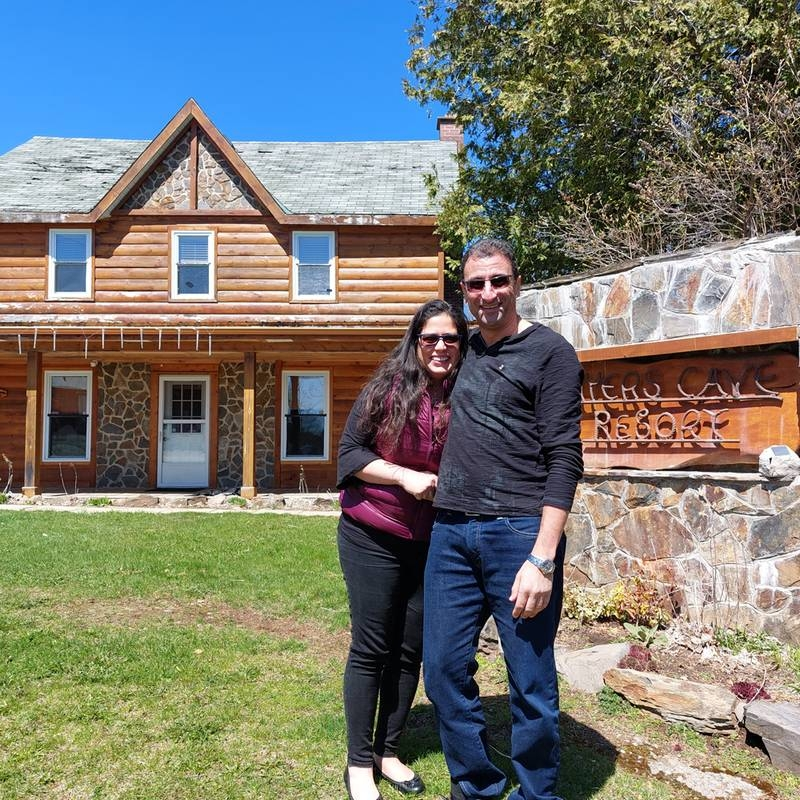
Last week, Ward 1 changed in a way that benefits everyone. Stephanie Regent’s seat became vacant, and the township moved to fill it by appointment rather than by-election. Under North Frontenac’s procedural policy, council can offer the vacancy to the next-highest unelected candidate from the most recent election, in order. Mike Hage is next in line from Ward 1’s 2022 results, and he has agreed to accept the position, with the formal swearing-in step to follow at a council meeting.
This is a major governance moment for the township because it replaces a missing seat with a councillor whose public record is already detailed on several files North Frontenac keeps returning to. It is also a moment where process matters. This outcome is not based on rumours, social media campaigns, or personality politics. It comes from rules that were written long before this situation and are now being applied in public.
Hage is known locally as the owner-operator of Myers Cave Resort on Marble Lake, a business he and his wife, Nawar, purchased in 2020 and rebuilt into an active part of the tourism economy. His public background includes civil engineering and business leadership, and he has been visible in community life through initiatives tied to local events and regional tourism circles.
He entered the 2022 election as a candidate who talked openly about managing growth pressures, service expectations, and the pace of change in rural Ontario, using practical language instead of campaign slogans.
Frontenac News interviewed Hage during the 2022 election. That interview is important now because it preserves what he said before he had a vote at the council table. In that profile, he discussed the township’s need to handle post-pandemic pressures carefully, including the way rising property values, new residents, and shifting expectations can strain governance and infrastructure. He also showed a consistent habit that will matter in office: he framed decisions around what can be proven, what can be enforced, and what the township can realistically administer.
On short-term rentals
His record is more structured than most local candidates ever publish. In his written responses during the campaign, he separated STR activity into categories rather than treating every rental property the same. He distinguished regulated commercial accommodations from occasional cottage rentals, and he focused attention on investor-scale STR ownership as the area most likely to create serious impacts. In the same campaign-era materials, he acknowledged the trade-offs plainly: traditional accommodations can benefit when STRs are restricted, while many local owners rely on periodic rentals to offset costs. That combination points toward a policy approach built around intensity, purpose, and enforceability, rather than a blanket stance aimed at one side of the debate.
Youth retention and economic opportunity
Hage’s youth retention comments also matter because they connect directly to the township’s long-term stability. His campaign-era writing treated youth retention as an economic file, not a feel-good theme. He spoke about keeping young residents here by strengthening opportunity, including the ability to start or acquire local businesses and build a viable future in North Frontenac. That view aligns with the township’s recurring reality: housing choices, infrastructure quality, and local job viability end up deciding whether the next generation stays, returns, or leaves.
Lake associations and structured communication
He also published a clear view of how council should interface with lake associations, and that timing is hard to ignore given the visible fragmentation that has shown up around lake advocacy and lake policy in recent disputes. His written position emphasized structured, regular communication between lake associations and council, with a steady two-way flow of information rather than sporadic contact when conflict peaks. Whether that approach holds in practice will be measurable quickly, because it depends on follow-through and consistency, not on messaging.
Lake stewardship and enforcement
On lake stewardship, Hage’s public record places weight on enforcement and evidence. He argued that many environmental rules already exist and that implementation is often the weak point. On septic inspections, his position was cautious, with an emphasis on proof and necessity rather than mandates for their own sake. He also identified invasive species as a serious lake threat, which is a different emphasis than the usual septic-first framing. This matters because stewardship in North Frontenac often turns into broad concern with limited operational tools. A councillor who consistently ties stewardship to enforceable measures and documented need changes the quality of the discussion, even when residents disagree with the outcome.
What comes next
This appointment changes Ward 1’s representation immediately. It also creates a clean public standard going forward because Hage’s campaign-era statements exist in writing and in recorded interviews. The next phase becomes simple to track through attendance, votes, and whether the structured positions he published translate into consistent decisions on STR governance, lake files, enforcement expectations, and youth-rooted economic stability.
References
- Frontenac News candidate interview/profile of Mike Hage during the 2022 municipal election (background, change-management framing, STR remarks, governance approach).
- North Frontenac Lake Association Alliance questionnaire responses from Mike Hage (STR categories, lake association communication approach, stewardship/enforcement framing, youth retention priority).
- Frontenac News reporting on the Ward 1 vacancy process and the appointment options available to council.
- Township of North Frontenac Procedural Policy (vacancy appointment sequence and conditions).